We’ve seen it often enough as home inspectors across Suffolk and Nassau counties: a new and excited home owner unwittingly causes damage or problems for themselves.
Know where you main water shut-off valve is located. You’d be surprised how many home owners have no idea where their main water shut-off valve is inside their home. Water can cause enormous damage in a very short amount of time. A burst pipe can soak your floors, drywall, and valuables in minutes and cause thousands of dollars in damages. The main water valve is located at the point where water enters your home. Every family member should know where it is.
Before you dig up your yard, make sure you know where your utility lines are buried in your front and back yards. Calling 811, the national hotline for digging safely, can get your local utilities out to your home to mark where all your underground utilities can be found. It can be dangerous to knick a line or gas pipe!
Check your soil levels. All the soil around your home needs to drain away from your dwelling by at least 6”. The accumulation of water, rainwater, or snow at your foundation can put unnecessary pressure on it and eventually lead to cracks and thousands of dollars repairing your foundation.
Do you have adequate attic insulation? One rule of thumb is to ensure you don’t see the top of your joists. If you do, your insulation is likely inadequate. Contact as as professional home inspectors and we can take a look for you and make a recommendation.
Stop before you hammer in that nail! Use a stud sensor to detect hidden items behind your drywall. It can help detect studs, ducts, and cables. They’re not 100% foolproof, but it’s better than just hammering or drilling into a wall to find out your cut a cable. You don’t want to go deeper into a wall than you really need to, by the way. Some rules to keep in mind: 8 inches to 2 feet horizontally between outlets and vertical locations above and below switches are no-go zones. Don’t drill or nail into those areas where electrical wiring is located!
Cutting down a tree, even a small one? Call a professional. You’d be surprised how tricky and difficult it can be to cut down a tree and control where it lands. Get it wrong and it could be fatal at worst and very expensive at best.
We’re always happy to work with our clients on home maintenance inspections to help them keep their properties in top shape through the years. By the way, we have created a great info graphic on what you should know about your new home. If you live in Suffolk or Nassau counties, give us a call today so we can provide a free estimate on an inspection based on your needs!
Buying a home especially for first timers is not a walk in the park (yeah, I threw you a cliche phrase…). During an interview one of our inspectors stated it best “buying a home is one of the most important investments in any one’s life, source: www.homeinspectorexperts.com/l-i-home-inspection. You will be forgiven for assuming that getting a pre-approval stamp from a mortgage lender already gives you a green light to go ahead and start signing deal papers with the seller (or any other seller for that matter…). There are so many mistakes that home buyers, including the “experienced ones”, have been known to repeat time and again. You should have a look at the 3 most costly mistakes explained in this article and (cliché alert…) “avoid them like the plague!”
Yes, buying your first home or any other subsequent home after that is always exciting. But you should be careful not to be caught up in the frenzy. This is serious business and any small loop hole could fast leave you in debt or worse… covered up to your head in lawsuits. So what are these mistakes that you should avoid as a home buyer? #1- ACTING OUT OF EMOTIONS: It’s not about what your heart thinks… get your financial facts right…
Of course buying a home is going to be one of the most emotional things you’ve ever done in your life; but don’t let that cloud your judgment. Some people think that they should get everything new for their new home… new furniture, hold up, stop… that’s your heart doing the thinking! Some will go to the dealership and get a new car to match their new home… again that’s a No-No!
So they told you that you qualify for the mortgage? Well, what they forgot to tell you is to keep your wallet shut until the deal is done. Did you know that adding more debt to your credit could jeopardize your home buying deal? Yes, mortgage lenders will quickly throw you to the “see you later” section if they find out that you have more debt like furniture or car purchases heaped on your credit.
Another thing is for you to think at least 5 years ahead and determine whether you’ll still be in that house or you will need to move (it could be because of your job). Do not be influenced by the “market”; but still, don’t wait too long for the right time to come. All these are decisions that require a level head, not emotions. Michael Yardney has compiled an amazing list of 13 things you should avoid as a home buyer. Emotions can lead to bad mortgage choices, buying out of desperation, overspending… you name it. Here’s what he says:
13 Common Mistakes Home Buyers Make – and how to avoid them
Buying your next home can be a daunting task, especially if it’s your first home.
It’s exciting but full of complexities.
Don’t be swayed by the market… isolate your facts. image: Michael Yardney/ propertyupdate.com
While it’s likely to be the largest financial transaction you will ever make, we’ve found that many home buyers are poorly prepared to ensure they make a good purchase decision.
And it’s not their fault.
The system is stacked against them, with much of the power being on the side of the seller.
To help guide you, let’s look at 13 Common Mistakes made by Home Buyers – ones that you should avoid… checkout mistake #6
#2 OVERLOOKING THE IMPORTANT PARTS OF THE DEAL: Don’t cut corners… And you need Professionals in your corner!
First things first… the most important part of buying a home is not buying the house, its finding the right agent, the right house, the right inspector, a damn good lawyer and doing everything by the book! You should also know the reasons why you are getting the inspection done, know what they are looking for and what questions to ask. Doing this without a good team of professionals backing up your decisions is suicide! First time buyers don’t really know who they’re dealing with or how to go about hurdles. Collect a few references and seek advice from two or more professional to get their honest opinions.
The bankrate dot com website has highlighted some pretty interesting facts on following the right channels and why you need to hire professionals when buying a home. This one article by Polyana da Cost a is a real eye opener. However, it’s one of the comments from one of the visitors on this post, (@comment_comment_comment),that really raised my eyebrows. Remember, it’s more than just paying for your mortgage. Check this out:
5 first-time homebuyer mistakes
Think before you leap into a pool of problems! photo: Polyana/ via bankrate.com
@comment_comment_comment:
“People generally don’t like renting because they feel that they are throwing money away, but let’s crunch the numbers.
For a $300,000 home:
Mortgage rate: 5% (higher for right now, but considered a steal 20 years ago)
Down payment of 20%: $60,000
Mortgage Term: 30 years
Total cost of Mortgage: $463,814
Money lost to Interest: $223,814
Money lost in Property Taxes @2%: $180,000
Total amount lost: $103,814
Now let’s say instead of purchasing a home with your down payment, you decide to rent and invest the down payment instead.
Rent: $1250/mo
Investment Contribution:$60,000 initial + $500/mo that would be paid in property taxes
Total cost to rent over 30 years: $450,000
Investment earnings at 8%(average stock market earnings): $1,341,323
Net Value: $891,323
Obviously home prices generally increase over time (as does rent), but the point is it isn’t cut and dry. It will cost you money to live somewhere regardless. The real question is: do you want to invest in Real Estate or the Stock market?”… find out more on avoiding silly mistakes
#3 NOT DOING YOUR HOMEWORK RIGHT: Buying a home is not like picking candy at a store…
Ok, so you think you just found your dream house? But is this enough to go on when making such an important life decision? Another thing that should immediately come to your mind when you’re out there looking for a house is that you are not just buying the house… you’re buying everything that comes with it. Available public infrastructure, the neighborhood, transport, social amenities… everything!
Bob Sokoler and his team (the Medley Sokoler Team) decided to shed some light on this issue through a very creatively done and informative video on the mistakes home buyers must avoid especially when it comes to doing their homework. The second tip will get you going “Oh, is that so…?”:
10 Home Buyer Mistakes You need to AVOID! Tip 2 Do your homework!
Let’s get one thing straightened out first. You will need proper home inspections from time to time as a homeowner to ensure that your house doesn’t cave in or breed strange fungi that could end up (God forbid…) affecting your family member(s) health-wise or worse! If you would like to request inspection click here. You will also need to have any property you want to buy thoroughly inspected before you take the deal any further.
For home owners, this saves you from extensive and expensive repairs while also helping you maintain your home’s equity. For a buyer, it will basically save him/her the pain of losing money from possible lawsuits (when walking out of a deal with signed paperwork and any deposits) or otherwise (future inevitable repairs). The one thing you should keep in mind as a potential home buyer is this: ALWAYS BE CAREFUL WHAT BINDING DOCUMENT YOU SIGN!
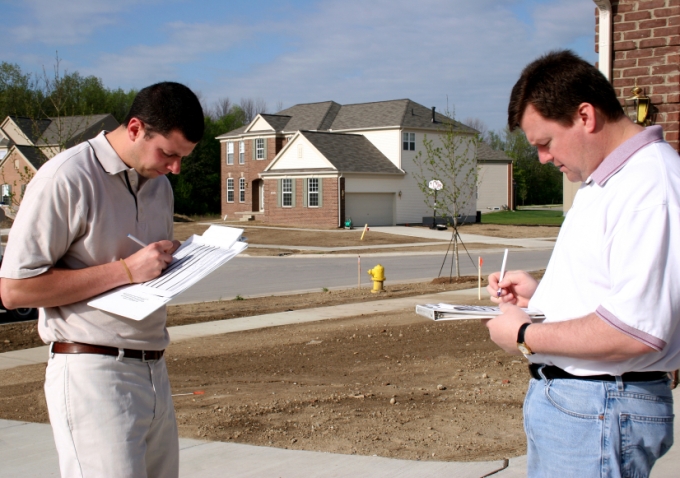
Now that we have that simple point locked down let’s get to how you can get the most out of a home inspection. Remember that the home inspector is not an angel therefore do not expect them to just walk in and walk out with all the answers to your current or expected problems in a single visit. Regardless, you can still manage to get a good and properly carried out home inspection if you can follow a few simple guidelines like tagging along on an inspection exercise or separating the inspection process with any repair work.
It is also advisable that you carry out your own home inspection and make notes on whatever problems you can immediately identify. This will help you ask the right questions after choosing the best home inspector for the kind of inspection you want. It will also help you make your own repair estimates before you’re slapped with a bloated repair bill! You might find that some repairs are simple DIYers that will cost you less to repair plus you will be better placed when bargaining for a fair price with the person/company doing the repairs. Check out what Leonard Baron has shared about getting a good home inspection deal:
How To Get The Most Value Out Of Your Home Inspection
Once an offer on a property is accepted, most buyers hire a professional home inspector to assess the condition of the home. The inspector will write a detailed report for the buyer to use in deciding how to proceed with the purchase. Should the buyer cancel the contract and terminate the purchase; ask for the seller to complete repairs; or request a price reduction or purchase credit from the seller to cover repairs?
Unfortunately, many buyers fail to realize the importance of the home inspection. Keeping the factors below in mind can help ensure that you get the most value from the process… Here are the valuable tips
In addition to carrying out your preliminary inspection and following the home inspector around during the inspection process, you should also ensure that you get the best inspector and get the best price. Another thing to remember is to ensure that you DO NOT use the same person/ company for both inspection and repair otherwise you will end up with a very long list of repairs!
Alyson McNutt English highlights more on some of the mistakes you can make when getting your home or home-to-be inspected. Most of the times we assume that the home inspector should do everything and that they should hand us all the answers… wrong again! What you should know is that a home inspection process can only be successful and valuable to you if you avoid the following mistakes:
5 biggest home inspection mistakes
A home inspection is one of the most important steps you can take to make sure your new home is a sound investment and a safe place to live.
But, many people don’t fully understand what happens in a home inspection or what they need to do to get the most out of it. Find out what inspectors say are the five biggest mistakes buyers make during the home inspection, and how you can avoid these potentially pricey pitfalls… find out what mistakes you’ve made
Have you met NED the cat? Funny guy… Well, Ned has some tips on getting value out of your home inspection exercise. Hope you will learn something from Ned after he seriously cracks you up. Here is a video we picked up from the CATHUB channel on YouTube:
Carbon monoxide is an odorless, colorless gas that can kill. We perform inspections throughout the Suffolk County, NY and Nassau County, NY areas, and we always implore our customers to install carbon monoxide detectors in their homes.
ABOUT CARBON MONOXIDE:
CO is found in the fumes of cars, trucks, small engines, stoves, lanterns, grills, gas ranges, fireplaces, and furnaces. In certain quantities, it is fatal to humans and animals. People have no idea they are inhaling it, because it is odorless.
SYMPTOMS OF CO POISONING:
When inhaled in smaller quantities, the symptoms can easily be confused with other medical issues but the include: headache, weakness, upset stomach, dizziness, vomiting confusion, and chest pain. These are symptoms typical of a flu. When inhaled in larger amounts, humans and animal can lose consciousness and prove fatal. If the person is sleeping or intoxicated when they inhale CO, they can die without experiencing any symptoms.
WHO IS AT RISK?
Basically, anyone is at risk for CO poisoning. The most vulnerable to CO poisoning, however, tend to be the young and elderly, people with heart disease, asthma, anemia, and other respiratory illnesses.
More than 400 Americans die from unintentional CO poisoning not linked to fire. More than 20,000 people will visit the emergency room and more than 4,000 hospitalized each year due to CO poisoning.
HOW TO PROTECT YOUR FAMILY:
It’s very simple to protect your family!
1) The first step is to install a CO detector in your home. It is easily plugged into any outlet, and they are reasonably priced for what they can do – protect your life in case of a CO leak in your home. Place the detector outside a bedroom. Pro tip: check to make sure your home inspector has this on his checklist.Some detectors are able to tell you the levels of CO in addition to sounding the alarm. The CDC recommends replacing your detectors every 5 years.
2) Annual maintenance and service by a qualified technician of your heating, water heater, and any gas or coal burning appliance is important. Any odor from a gas refrigerator needs to be checked. Chimneys should also be checked annually.
3) Portable flameless chemical heaters should not be used indoors.
4) Only purchase gas equipment that carries the seal of a national testing agency like the Underwriters’ Laboratories (UL).
5) All gas appliances should be vented properly.
6) Never patch a vent pipe as it can cause a CO build up.
7) Never use a gas range or oven for heating your home because this can cause CO build up. Never use a portable gas camp indoors, either.
8) Charcoal of any kind give off CO. They should not be used indoors.
9) Never use a generator inside your home, basement or garage unless it’s 20 feet from any proper venting source.
10) Never leave a running vehicle in the garage. Regularly maintain and service your vehicles.
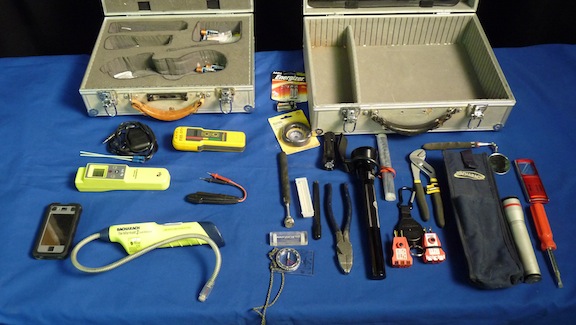
A home inspector needs a few professional tools to carry out a thorough home inspection. It is very common for home inspectors to carry a lot of tools with them; some of which are rarely used. However, would you believe that one of the most important home inspector’s tools is a flashlight? The other important tools for a home inspector are definitely an electrical tester, speaking of which, you should never underestimate the importance of an electrical inspection for your home, a ladder and a moisture meter. These three simple tools can be used by a professional home inspector to uncover many faults in and around most homes as guided by InterNACHI Standards. Lastly, regardless of whatever tools a home inspector chooses to bring with them, a tool bag to fit and organize all your equipment is very important.
Please Note: A seasoned home inspector can do more with just their nose, fingers, a ladder and instinct than a novice would; even with a full kit of the most expensive and sophisticated tools! A home inspector’s bag of tricks is quite expensive to fill all at once if you’re looking to have everything required in the business with you. As many professionals in this industry will advise you, experience is the best teacher in home inspection and you find that most of tools in your tool kit are bought out of necessity as you continue to encounter different problems in your day to day home inspection gigs. Check out what the ICA (Inspection Certification Associates) have to say about the home inspector’s tool kit:
Which Tools Will I Need for Home Inspections?
A home inspector’s tool kit contains numerous items, but you’ll collect many of them after you’ve been in the business for a while. Experience is a great teacher. But some tools are important for home inspections from day one.It doesn’t cost a fortune to get started. In fact, the basics can fit into a budget of about $200. But if you want to expand your horizons, there are more expensive tools with more options to think about (…) Your home inspection tool kit will evolve over time. You’ll learn which flashlights you like best, and which electrical testers perform better. You might even invest in special equipment for tests such as radon, if you want to expand your business.Getting started in the home inspection business shouldn’t cost a fortune. The basics are affordable, and you’ll use them every day. For everything else, time and experience will be your guide… See what more you will need in you bag of home inspection tools
In addition to the basic home inspection tools (flashlight, a ladder, a moisture meter, and electrical testers), there are more tools that come in handy for everyday home inspection business and these include a respirator, an AC voltage detector, matches, screwdrivers, tool vest, water pressure gauge, safety glasses, gloves, small pocketknife, a thermometer, coveralls, a tape measure, GFCI Receptacle Tester, knee pads and an inspection mirror among others. Here’s what Nick Gromicko and Kenton Shepard think any average home inspector worth their money must have:
Home Inspection Equipment
Inspectors are free to use whatever equipment they choose, as long as their inspections comply with the InterNACHI Standards of Practice. Here are examples of some of the equipment used by home inspectors… Check out the their list of home inspection essentials
For veteran home inspectors, you will probably find two or more of each tool highlighted above in their home inspection tools collection. This is from years of dealing with different scenarios as they go about their professional business. Of course this is after discovering how each type of duplicated tool in their arsenal helps make things easier in different situations (according to make, model, accuracy and functionality). If you would like to watch a home inspector in action, here is a HGTV video hosted by Chris Davis titled “Home Inspection with Vince from HGTV ” that shows a home inspection exercise and how most of the home inspection tools are used:
In conclusion, be cautious when shopping around for a home inspector because there are many incompetent wannabes out there and you do not want to miss any fault(s) that might cause more future damage to your home. A home inspector should be armed with the right tools that not only make work easier throughout the entire process but are also pin point accurate to avoid any guess work. It will also be important to note that a home inspector’s tools are only as good as the home inspector using them and veteran home inspectors can cover a lot of ground in your home using only the most basic tools of trade and still come out with a comprehensive report.
Taking care of your home is your own business and you should be allowed to live the way you want… after all, it’s your home right? Wrong! Unless you never have friends or family members come over or maybe you just have a problem with saving your hard earned money.
First, it ensures that the inhabitants are comfortable and safe from disease, physical harm or unnecessary large repair and replacement bills. More importantly, it ensures that your home ages at a slow and acceptable rate and this helps maintain your home’s resell value.
Remember, not everyone in your blood line will want to continue living in that same old inherited house. The second thing you should note is that many accidents occurring in and around your home are just as a result of negligence and poor home maintenance practices; unattended worn-out exposed electrical wires here, a broken stair or piece of furniture there, or even loose tiles in the bathroom.
The best way to keep everything in check is to carry out regular inspections and never ever procrastinate! If you are local to Long Island, NY then you can request a home inspection quote with us or even get a free consultation. There are simple ways to help you take proper care of your home and keep it from looking older that it actually is… eventually losing on its market value or breaking apart right underneath you.
The first step is creating your own routine and a checklist of tasks for each DIY home maintenance or inspection exercise. Having a good plan is the key as Lara Edge clearly puts it in plain words in her article on maintaining fungi free homes and mega saving through a simple 3-step moisture damage control routine that many people continue to ignore:
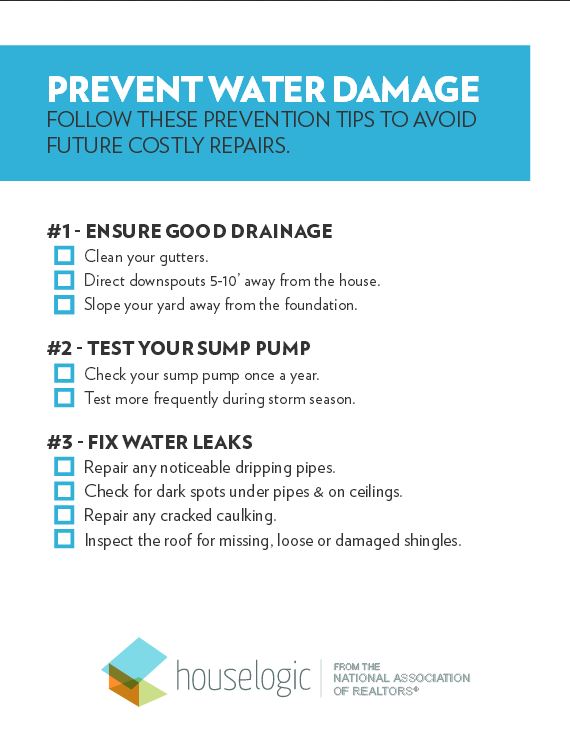
How to Prevent Water Damage
“Water damage is the No. 1 culprit that weakens your home’s foundation and the very core that holds your house together.You’ve heard about core strength for your body. Well, water damage hits at the core strength of your house, eventually causing serious structural damage. Damp wood invites termites and carpenter ants; plus, it causes mold and mildew.Here are three easy things to do to that will give you piece of mind the next time heavy storms hit.”Get more details on the 3-step preventive water damage control routine here…
As always, you should do your cleaning in and around your home when you ought to and take care of any repairs as soon as they’re required to avoid dealing with ant-hills turned mountainous situations that can be both dangerous and daunting.
Still on the cleaning issue, there are many spots around the house that we often overlook or plain outright ignore… like the back of the TV! Sometimes this can be because the people living in your home are extremely busy leaving you with just enough time to carry out the cleaning casually… oh, and create some new string of bacteria on piled up dishes from a month ago in your kitchen sink… Worry not; Kayla Matthews has compiled a list of 20 hilariously explained tips on how busy people can still take care of their homes even with the tightest of schedules. You will be surprised how much you can do in just a few hours a week of dedicated cleaning in your home:
20 Efficient Home Care Tips for Super Busy People (Nobody Knows About #12)
“I don’t care how big or small your house, apartment, or condo is. When it’s a mess, it feels like it takes FOREVER to clean up. And when you’re busy trying to stay on top of your professional life, your kids’ homework for the week and somehow find a free moment to enjoy your spouse’s company, you just don’t have time to clean as much, or as thoroughly, as you’d like.So, sometimes, we just skip over it and choose, instead, to stare begrudgingly at the tasks we should be doing rather than doing anything about them.I don’t know about you, but when my home is a wreck, I feel lazier and much less productive. I love spending time in my house when it’s clean, but being in my messy kitchen after I didn’t have time to clean it all week makes me feel totally unmotivated. And I’m not the only one:” Care to find out what home care tip #12 is…?
Of course if you’re like most of us, then I guess it really helps to see someone else do it… right? Like what’s this plan (killer home care schedule) that everyone must have or follow? How does one even start on making schedules and ensuring that everything is in order and taking care of your home is completed in a timely and precise fashion? Hell, how organized is organized?
Alejandra Costello stars in a very inspiring Alejandra TV’s home tour video guide titled “Most Organized Home in America – HGTV Clean Freaks & Professional Organizer Alejandra Costello” that features one of the most organized homes this world has seen yet. Everything from a carefully arranged pantry (food cupboard) to a clean organized kitchen to a home office that would make the chief of stuff think twice about reorganizing the oval office at the Capital! You have to see this video to really get a picture of what an organized home looks like… you’re guaranteed to be both utterly amazed and inspired or very, very jealous. De-cluttering is the key word here:
Anymore excuses left? I bet after watching this video you just want to get off your butt and do some cleaning right? You can start off with these highlighted simple home care tips and move on from there. Of course you can customize your cleaning and home inspection routine according to your own daily or weekly schedule and still achieve a perfect clutter free and a joy to live in environment in your home.
Remember, your home shouldn’t look older than it is just because you let water (both rain water and leaking pipes) weaken the foundation or encourage mold and mildew growth in your attic or basement. This really affects the market value of your home in a negative way and its also one sure way to part with huge chunks of your hard earned cash courtesy of remodeling and repairs.
Just take a few minutes of your busy schedule and make sure you carry out a bit of inspecting, cleaning and organization in small portions. This will make the whole home maintenance exercise seem less tiring and boring. My advice, get a good portable music player (your phone can also work…) and you’re good to go.
People often ask us how often they should do a home inspection for termites. The answer is simple: about once a year! But more on that later…
Termites eat all day long and all night long, every day and every night. That means that with so many hours of eating wood, their damage can be extensive and can occur over a relatively short time. Worse yet? The damage isn’t always obvious to the untrained eye until major damage has occurred!
The U.S. Department of Agriculture estimates that termite damage is in the billions of dollars every year across the U.S. And, the Environmental Protection Agency estimates that the average termite damage costs approximately $2500 to $3000 to repair. The good news about termites and other wood-destroying pests is that they can be controlled and be identified with regular home inspections!
Can you do an inspection yourself?
The simple answer is: yes, you can do a termite inspection with no previous experience. However, (and that’s a big however) while any home owner can look for termites, it does not replace a professional inspection – ever. It is important to have a trained and experienced inspector make the final determination as to whether your home is suffering from a termite infestation and there is any damage. Termite damage can be obvious at times even to the untrained eye while at other times, it will take a trained eye to diagnose an infestation.
A quick tip if you’d like to look for yourself first:
— Termites are attracted to moist wood. Search any damp areas including around windows or other areas just after rainfall. If you even suspect termites or other wood-destroying pest, it’s important you contact a professional immediately.
— Look for “tunnels” the width of a pencil in wood, including at your foundation level. If you find a tunnel, you most likely have termites.
— Look for any kind of wood damage or “odd-looking” patches on the wood. Termites will begin eating wood from the inside and damage isn’t always visible on the outside of the wood. However, any type of wood darkening, blistering, or softening can be a sign. Crumbling wood is another obvious sign of termite presence.
How often should you have a termite inspection?
People often wait to conduct a termite inspection when they do a general home inspection either for maintenance purposes or because they plan to sell their home. However, waiting until then to have a termite inspection performed could prove extremely costly! If left unchecked, you could find yourself with thousands of dollars in necessary renovations and remediations.
Termite inspections should be performed about once a year, especially if you live in a humid environment or there is the potential for any moisture incursion. An expert will inspect the interior and exterior of your home, basements, attics, and crawlspaces.
These inspections typically run about 30 to 45 minutes and a diagnosis can be given immediately. A good inspector will review their findings with you at the end of their inspection and offer any recommendations if any damage is found. The inspector can also provide suggestions on how to prevent termites including regular treatments for your home or property.
Regular termite inspections by a qualified inspector can help you maintain your structure’s integrity healthy and termite free. We have extensive experience across Suffolk and Nassau County, NY and would be happy to provide you with an initial estimate for a home inspection or a termite inspection.










 Remember, your home shouldn’t look older than it is just because you let water (both rain water and leaking pipes) weaken the foundation or encourage mold and mildew growth in your attic or basement. This really affects the market value of your home in a negative way and its also one sure way to part with huge chunks of your hard earned cash courtesy of remodeling and repairs.
